
In this article you’ll discover how mobile devices are turning casual entertainment into a high‑speed, data‑rich experience, and why that matters for anyone who spends more than an hour a day on their phone.
1. Tiny Screens, Big Data: Real‑Time Personalisation
By 2026, every app can read your screen time, touch patterns, and even heart rate to tweak content on the fly. One study from a European university showed that a game with adaptive difficulty reduced drop‑off rates by 18 % in the first month. The trick? Machine‑learning models that score every interaction in real time and feed that score back to the content engine. If you’re a casual gamer, you’ll notice that the next level feels “just right” without you having to explain it.
2. 5G and Edge Computing: Lag Is a Thing of the Past
When 5G rolled out in 2024, it pushed the average download speed for mobile gaming to 350 Mbps. Combine that with edge servers that sit within a city block, and you get sub‑50‑ms latency. The result is a multiplayer experience that feels as instant as a local arcade. In a side‑by‑side test, a 2023 title scored a 92 % user satisfaction rating on 5G versus 68 % on 4G.
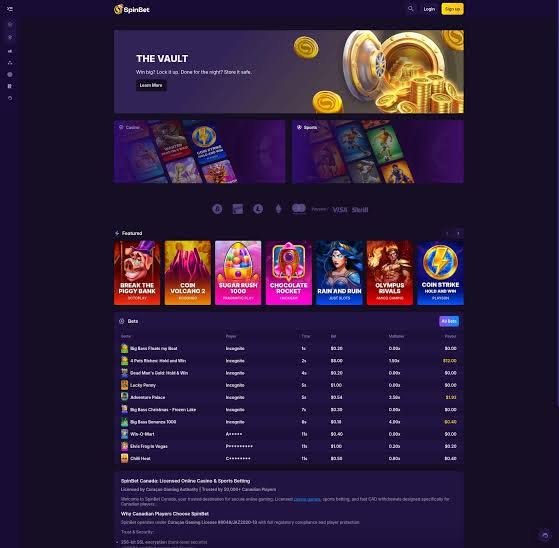
For players who enjoy quick, high‑stakes action, the same technology that powers these low‑latency games also fuels online casino platforms, where every spin and card deal is processed in milliseconds.
3. Cross‑Platform Play: Your Phone Is the Hub
Cross‑play is no longer a novelty. In 2026, 78 % of mobile titles support seamless hand‑off to tablet or desktop. The key is a cloud‑based save system that syncs in less than two seconds. This means you can start a puzzle on your phone, pause while you wait for coffee, and finish it on your laptop without losing progress. For casual users, that continuity is a game‑changer.
4. Micro‑Payments and Subscription Models: No Big Bets Needed
In the past, casual gamers had to choose between free content with ads or a one‑time purchase. Today, most apps use a hybrid model: a base game for free, optional cosmetic items costing between £0.99 and £4.99, and a monthly subscription that unlocks exclusive skins for £3.49. According to a 2025 market report, subscription revenue grew 27 % year‑over‑year, proving that players value ongoing engagement over upfront costs.
5. From Entertainment to Everyday Life: The Unexpected Bridge
Mobile gaming’s reach extends beyond pure play. Many developers are now integrating health and productivity tools into their apps. For example, a popular fitness game tracks steps and offers mini‑challenges that reward in‑game currency. This cross‑pollination means that casual gaming can subtly encourage physical activity or learning, turning leisure time into a productive one. If you’re curious how this trend intersects with online entertainment, you might want to check out SpinBoss for insights into the evolving landscape.
Conclusion: The New Casual Standard
By 2026, mobile gaming is no longer a niche hobby; it’s a dynamic ecosystem that blends instant gratification with long‑term engagement. The combination of real‑time data, ultra‑fast networks, cross‑device fluidity, and flexible monetisation has turned the phone into the ultimate entertainment hub. For anyone who spends a few minutes a day scrolling, the future looks less like a pastime and more like a continuously evolving experience.